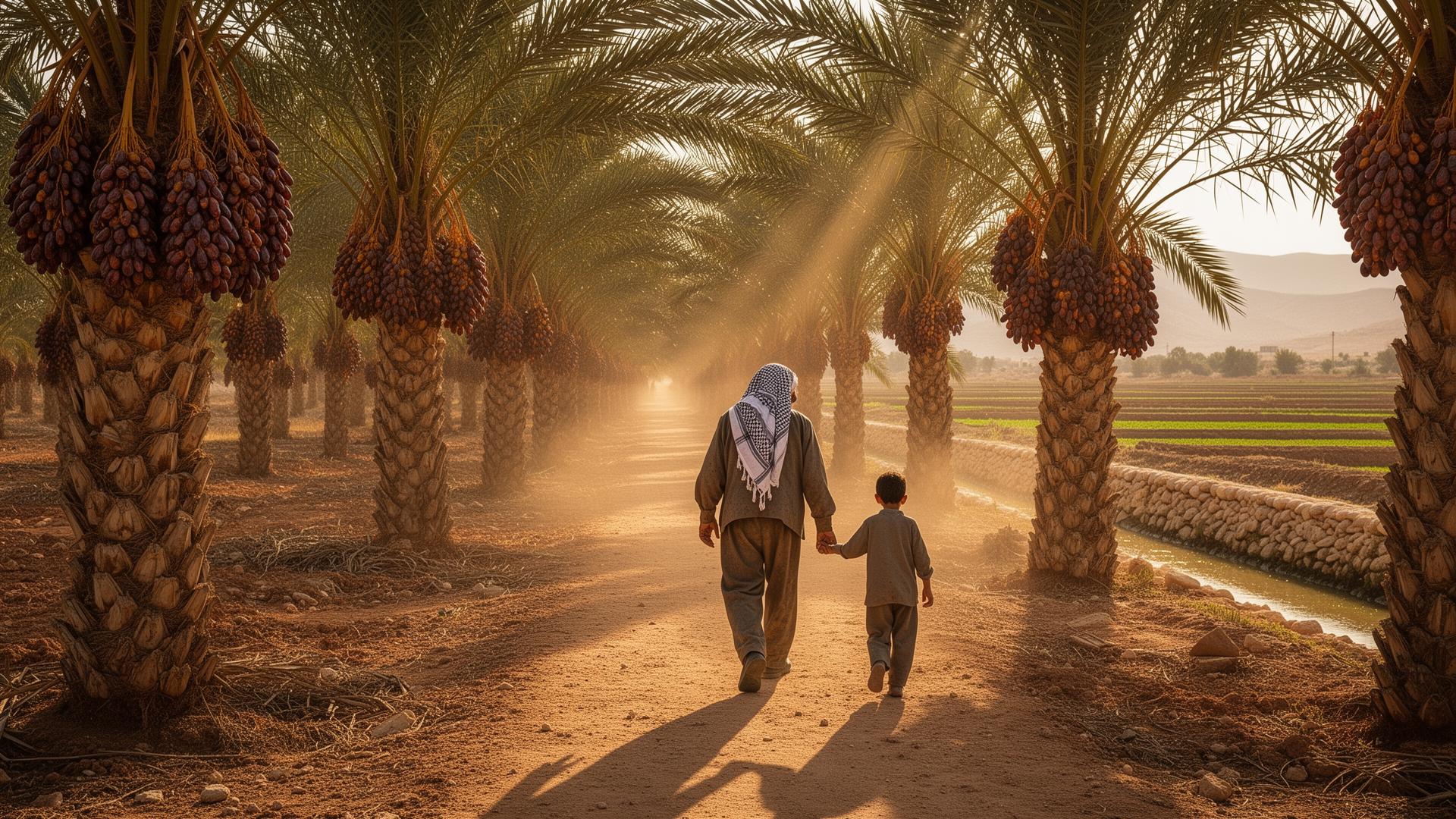
Fasayel Farms is not a brand. It is a conversation that began in the Ottoman era between Qasem Al-Nimer and a stretch of Palestinian soil, and never stopped — through the British Mandate, Jordanian rule, and the present day. A century and a half of work, water, and stewardship, carried by one family across five generations.
0+
Years on the land
0+
Palm Trees
0+
Families supported across generations
0+ tons
Annual date harvest
The Family Tree
The Hands Behind the Harvest
Every name below has spent a lifetime in the same Palestinian soil.
First Generation — 19th Century
The Founder
Qasem Al-Nimer
Built the first mud-brick wheat mill at Ras Al-Ein and opened the original irrigation channels. The root of everything that followed.
Second Generation — Early 20th Century
The Builder
Fahmi Al-Nimer
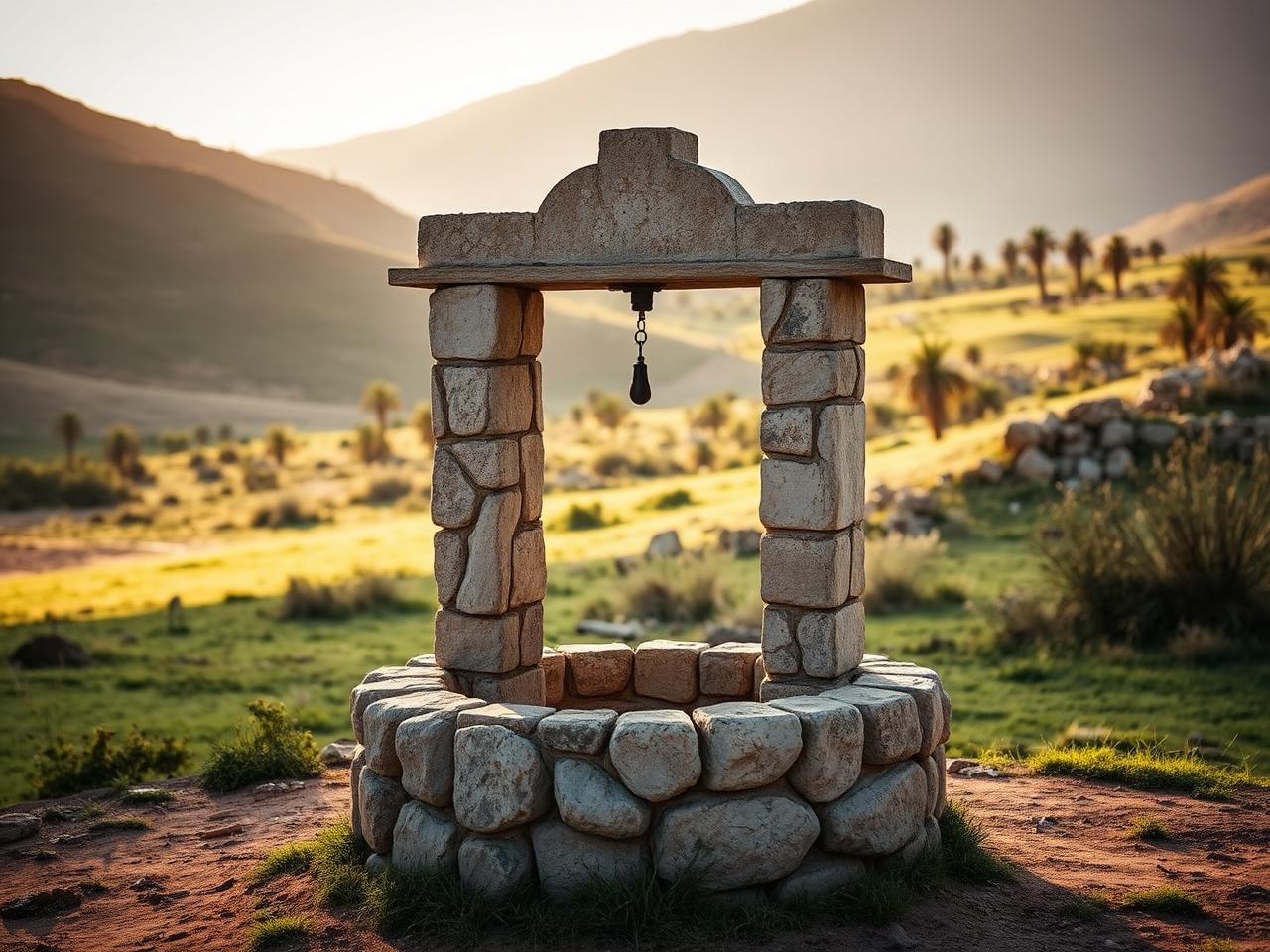
Dug the central well that doubled the valley's water, served on the Nablus municipal board, and lived two lives in service of the same Palestinian soil.
Third Generation — Today
The Eldest
Silham Al-Nimer
Carried his father's name forward — steady hands, open fields, and a home kept for every farmer who came to work the land.
The Middle Son
Samsam Al-Nimer
Helped uncover the Roman pool, brought drip irrigation to the valley, and restored Fahmi's central well in 2015.
The Youngest
Saad Al-Nimer
Stood beside his brothers through the excavation, the restoration, and the export years — carrying the taste of Palestine far beyond its borders.
↓ Now the story behind the names ↓
19th Century
Chapter I — The Founder's Mill
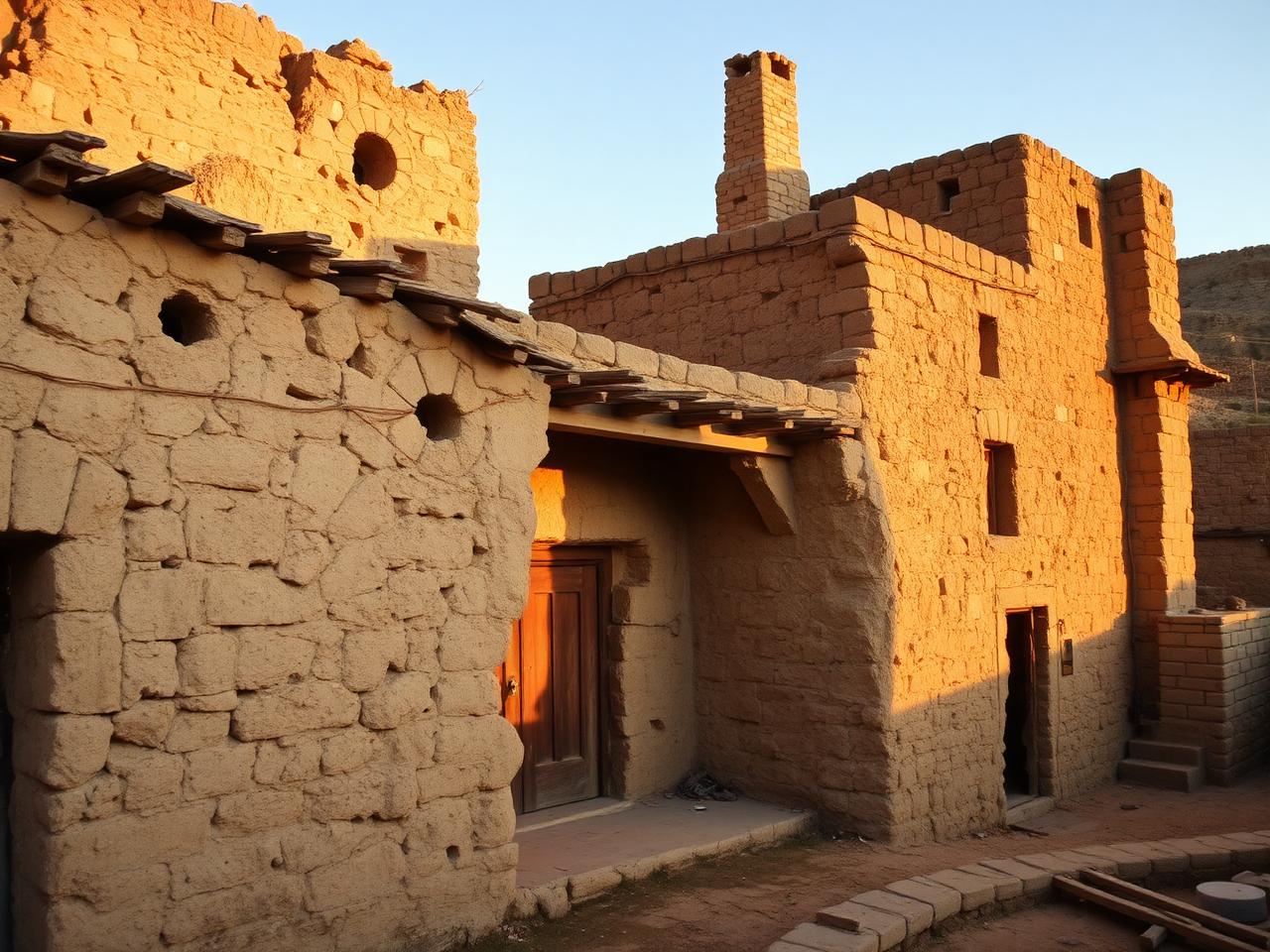
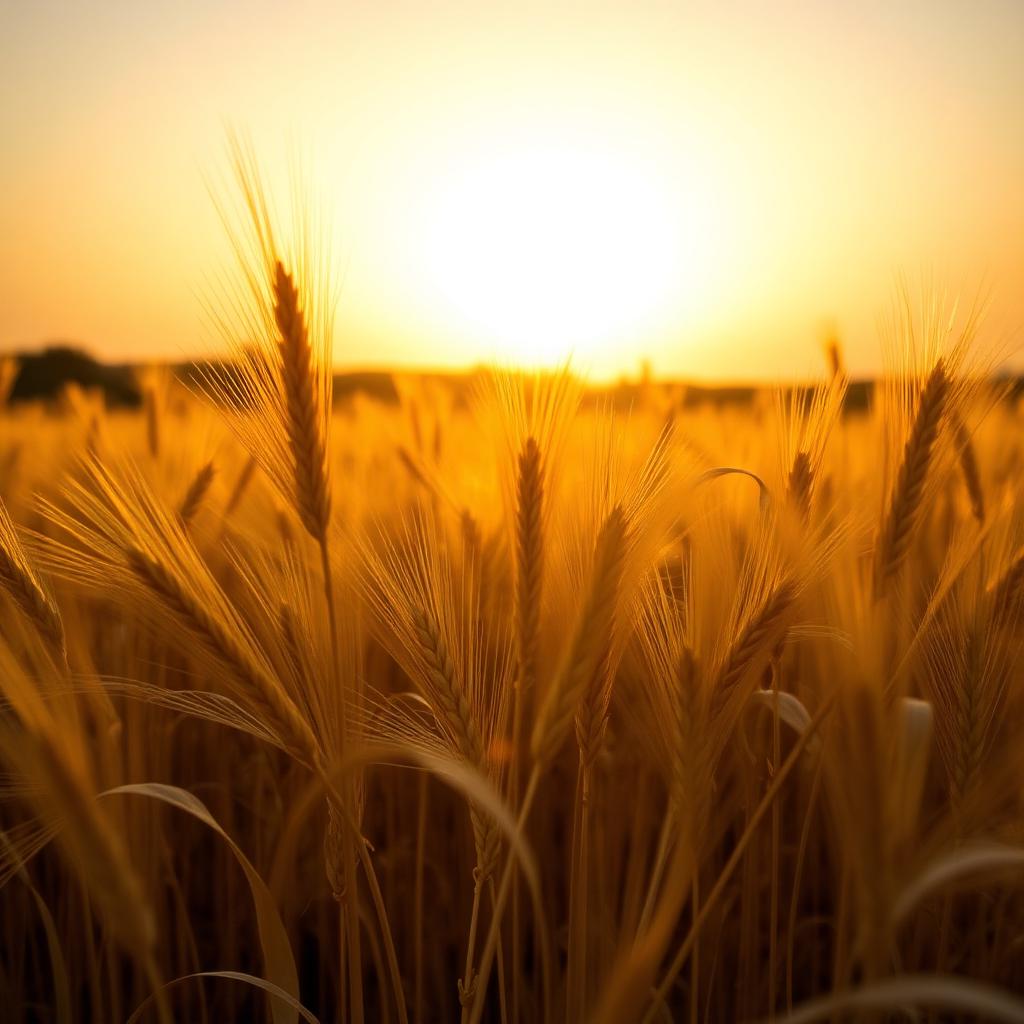
It began with Qasem Al-Nimer in the Ottoman era — a man who spent his life turning a stretch of stony Palestinian land into something that could feed people. Beside the northern spring of Ras Al-Ein, he built a wheat mill out of mud blocks, brick by hand-shaped brick. That mill still stands today, a quiet marker of where everything started.
Water
Chapter II — The Open Channels
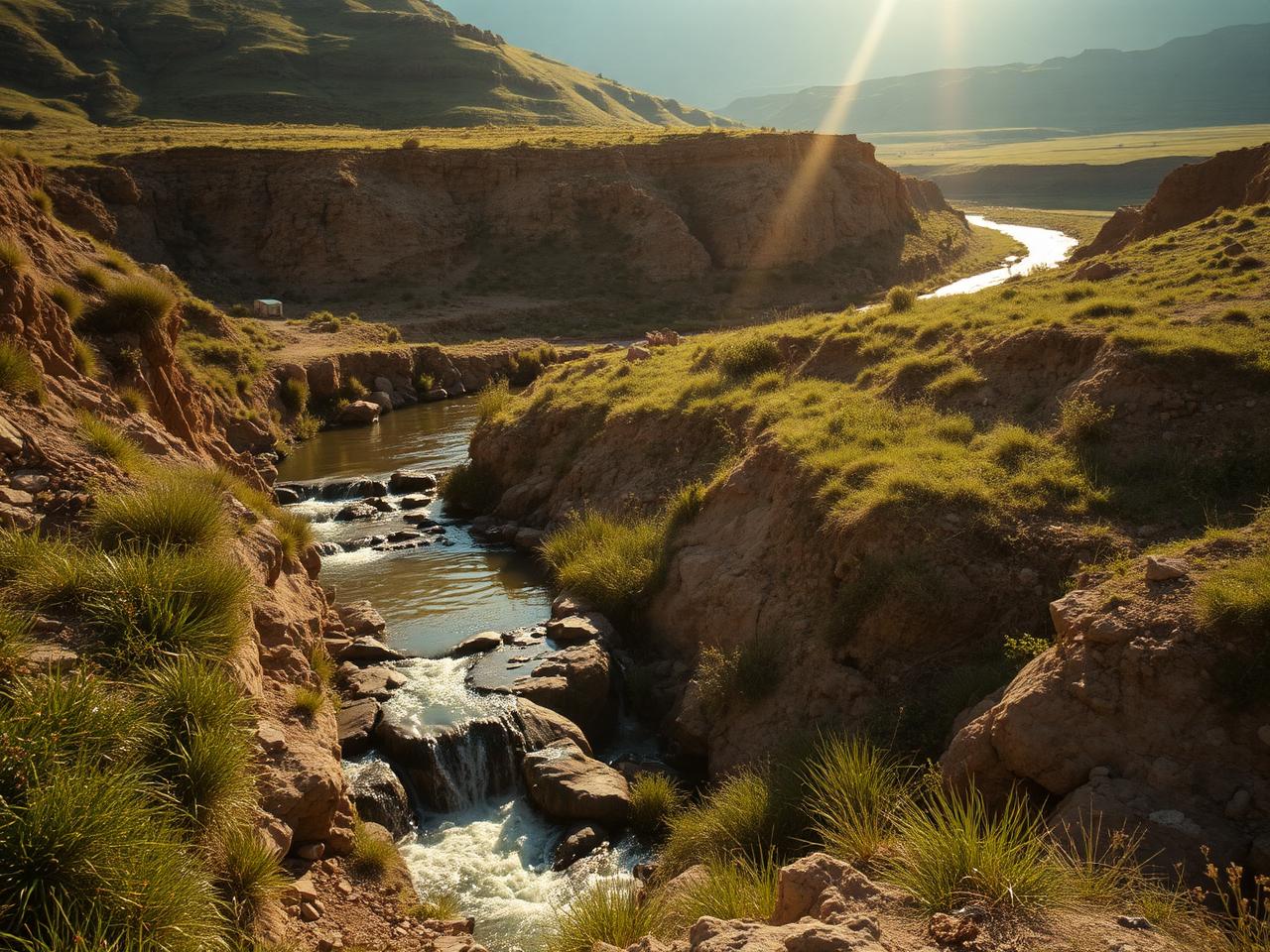
Water was the first language of Fasayel. From the Ras Al-Ein spring, open earthen channels carried it north to south, field by field. Farmers worked the flow by hand — small mud barriers redirecting water into one plot, then releasing it onward to the next. Long before pumps and pipes, the valley was kept alive by patience and the discipline of sharing every drop.
Fahmi
Chapter III — Fahmi's Well
Qasem's son, Fahmi Al-Nimer, carried the work forward. As the fields grew, one spring was no longer enough. In the heart of Fasayel he dug a deep water well — a second source that doubled what the land could carry. By day he was a farmer on horseback; in Nablus, he served on the city's municipal board. He lived two lives and gave them both to the same land.
A Village
Chapter IV — The Village Takes Root
As the soil gave back, people stayed. Farmers who had come to work the land built homes beside it, raised children, and grew old in the valley. Generation by generation, those families became neighbors, and those neighbors became Fasayel village — a community born, quite literally, out of the soil the Al-Nimer family first turned over.
The Sons
Chapter V — The Sons Inherit Early
Fahmi passed away young. His sons Silham, Samsam, and Saad were still teenagers when the land became theirs to carry. They could have walked away. Instead, they stayed — committed to a vision their father and grandfather had spent their lives building, and refusing to let the valley fall quiet.
1970s — 1980s
Chapter VI — The Roman Pool
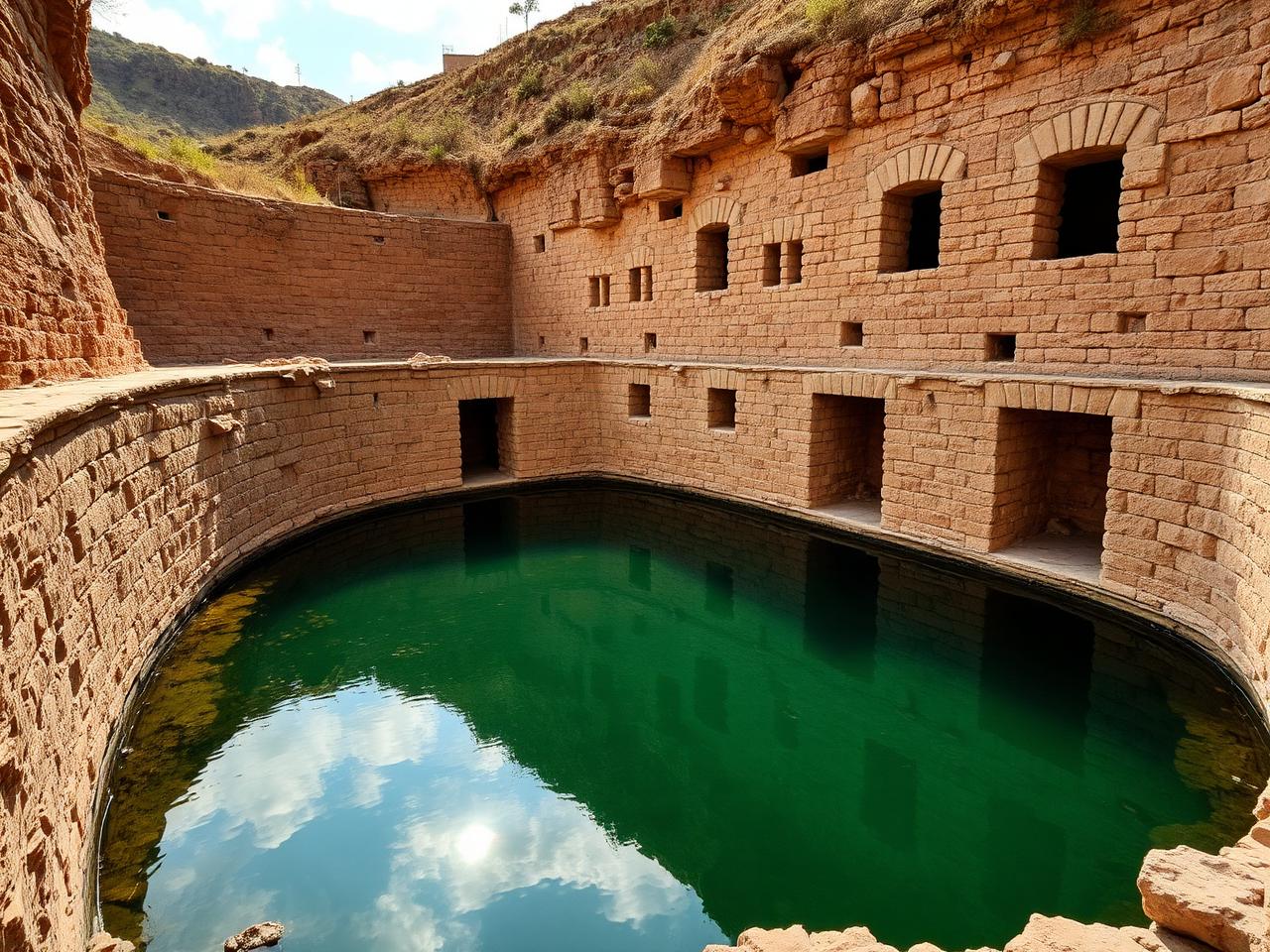
In the northern fields, strange stones kept surfacing through the soil. Samsam and Saad started digging — with friends, with neighbors, with farmers from as far as Europe. Two months and eight meters down, they uncovered something extraordinary: an ancient Roman reservoir, roughly forty meters on each side. They connected Ras Al-Ein to it through new pipelines, transforming a buried ruin into the beating heart of the valley's irrigation system.
Green Returns
Chapter VII — A Valley Comes Back to Life
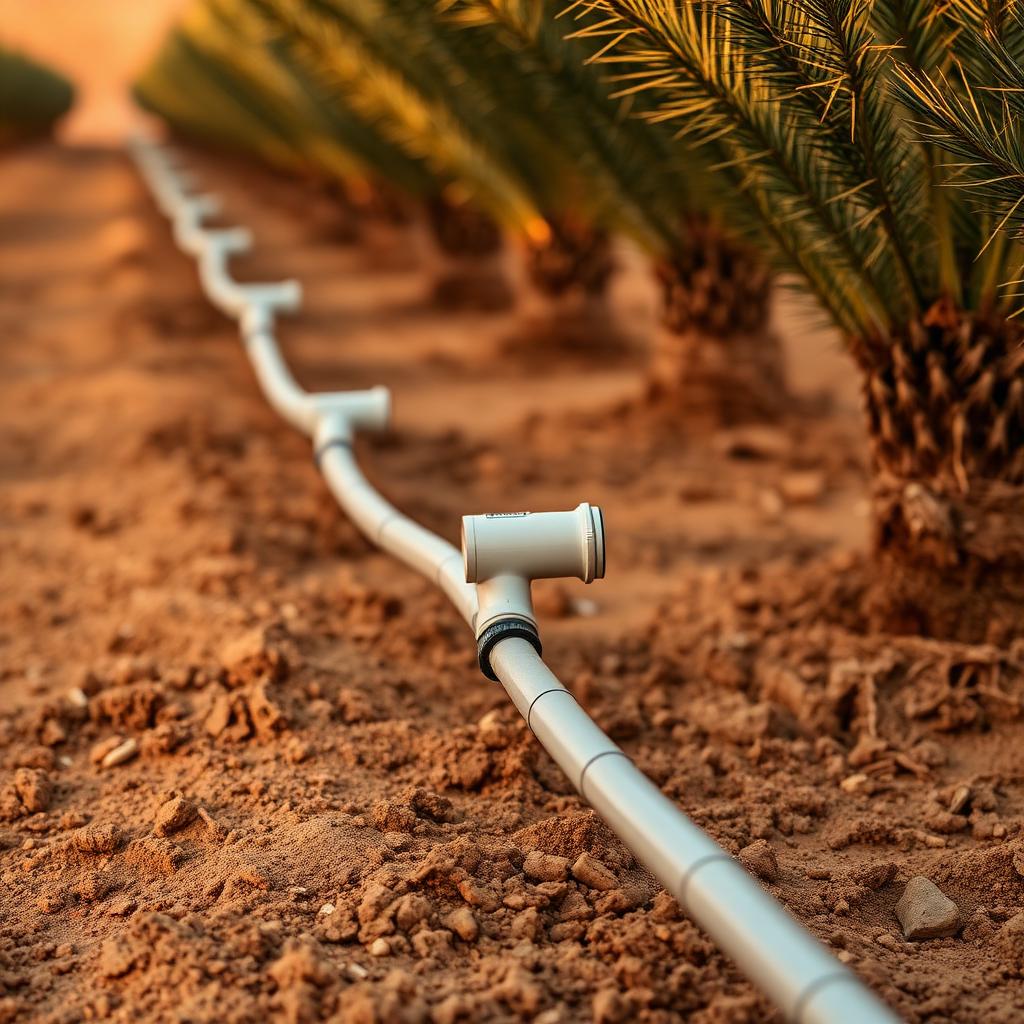
Water flowed again. Wheat, grapes, vegetables, and orchards spread across the fields. Gazelles drifted back into the valley. The brothers were among the first farmers in Palestine to adopt drip irrigation — growing more, with far less water — and the first Al-Nimer harvests began traveling beyond Palestine's borders.
2015
Chapter VIII — The Well Reopens
After more than twenty years clogged shut, Fahmi's central well had left parts of Fasayel dry again. His sons refused to accept it. In 2015 they restored the well, and water rose once more from the place their father had first opened. The greenery returned with it.
2016 — Today
Chapter IX — The Palms, and What the Land Now Gives
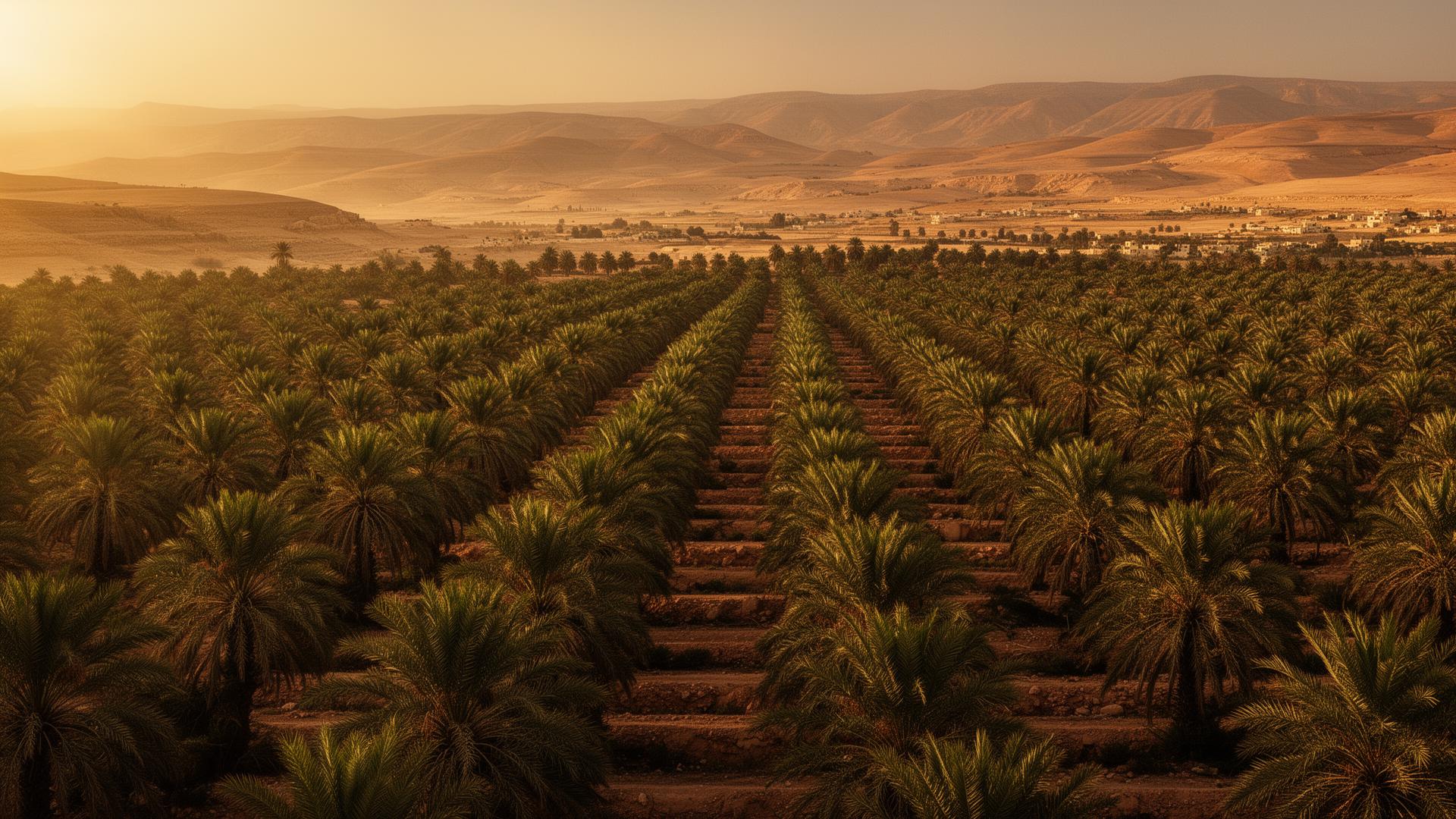
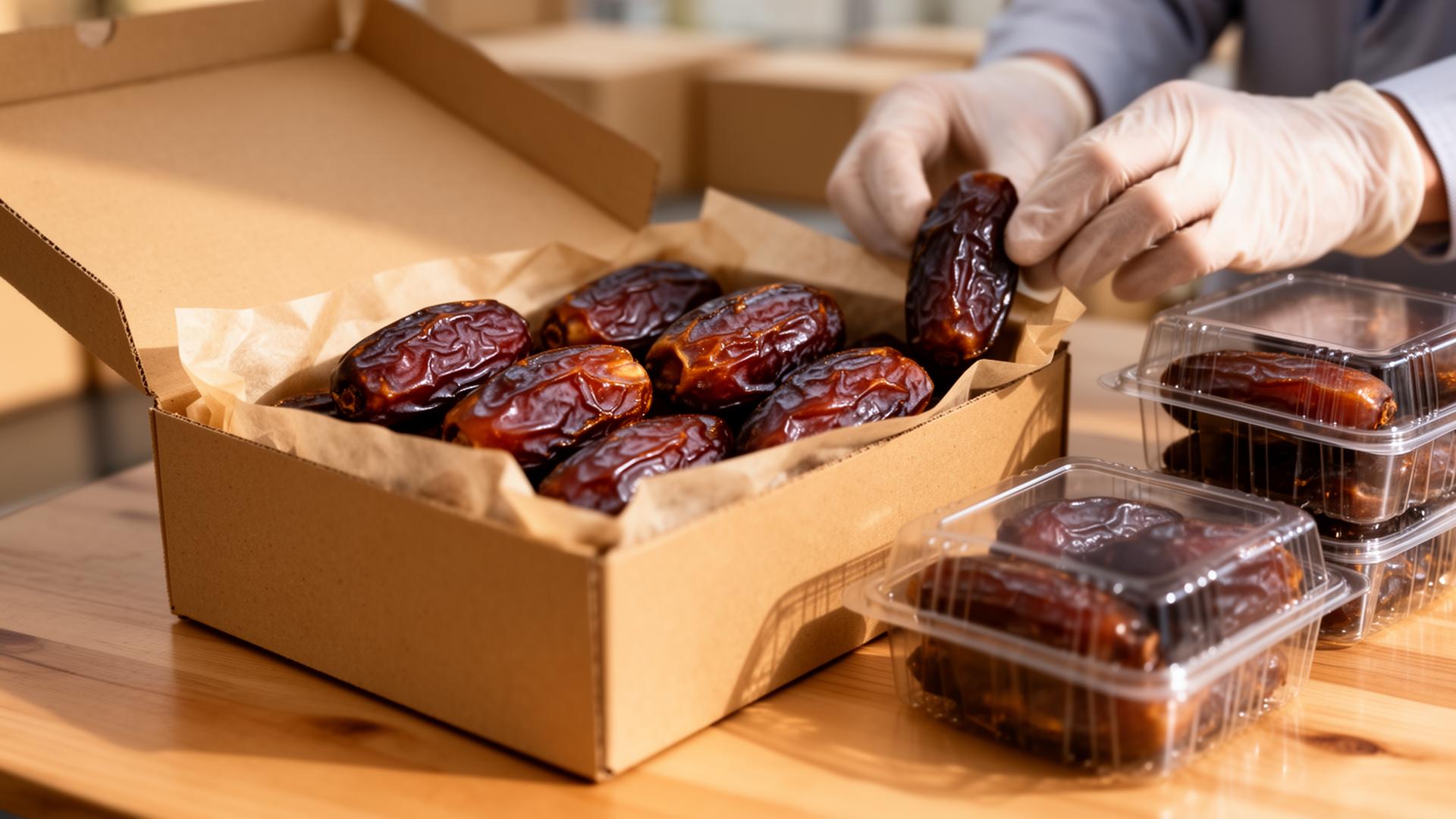
In 2016, the first dedicated palm grove was planted on land the family had farmed for more than a century. Today, over 3,000 palms yield more than 120 tons of dates a year, alongside grapes, watermelons, pomegranates, figs, wheat, and greenhouse vegetables. Parts of the land are rented to local farmers; harvests go to agricultural companies and to consumers around the world. Five generations on, Fasayel is still a working answer to a single idea: land cared for with patience gives back, and keeps giving.
“The land gives back only what you put in with your own two hands.”
— The Al-Nimer Family
The Land Today
Fasayel village did not bring the farm. The farm brought Fasayel village.
More than thirty families have built their lives around this land across generations. Today, Fasayel still supports them — through plots rented to local farmers, harvests supplied to agricultural companies, and produce that reaches consumers far beyond the valley. The mill, the spring, the Roman pool, the well, and the palms: not monuments, but a living system still feeding people.
In its earlier era the farm also carried a 120-dunum grove of bananas, fed exclusively by the freshwater of Ras al-Ein — bananas will not tolerate the brackish water of the wells, so the spring ran straight to the grove. Alongside them grew long seasons of tomatoes, sweet peppers, zucchini, beans, hummus (chickpeas), lettuce, cabbage, beet, and potatoes, all drawn from the same sweet-water source because each of those crops, too, needs fresh water to thrive.
See what five generations of patience grow.
Land for farmers · Harvest for companies · Heritage for everyone